



By Stylianos Kampakis PhD, CEO, Tesseract Academy
In this CAIA mini-course, we introduce the work of Stylianos Kampakis PhD, CEO of Tesseract Academy, and member of the Quantum Finance Boardroom. Each installment of this series will present a new chapter in Dr. Kampakis’ work on real estate tokenization.
Introduction: What Is Tokenization?
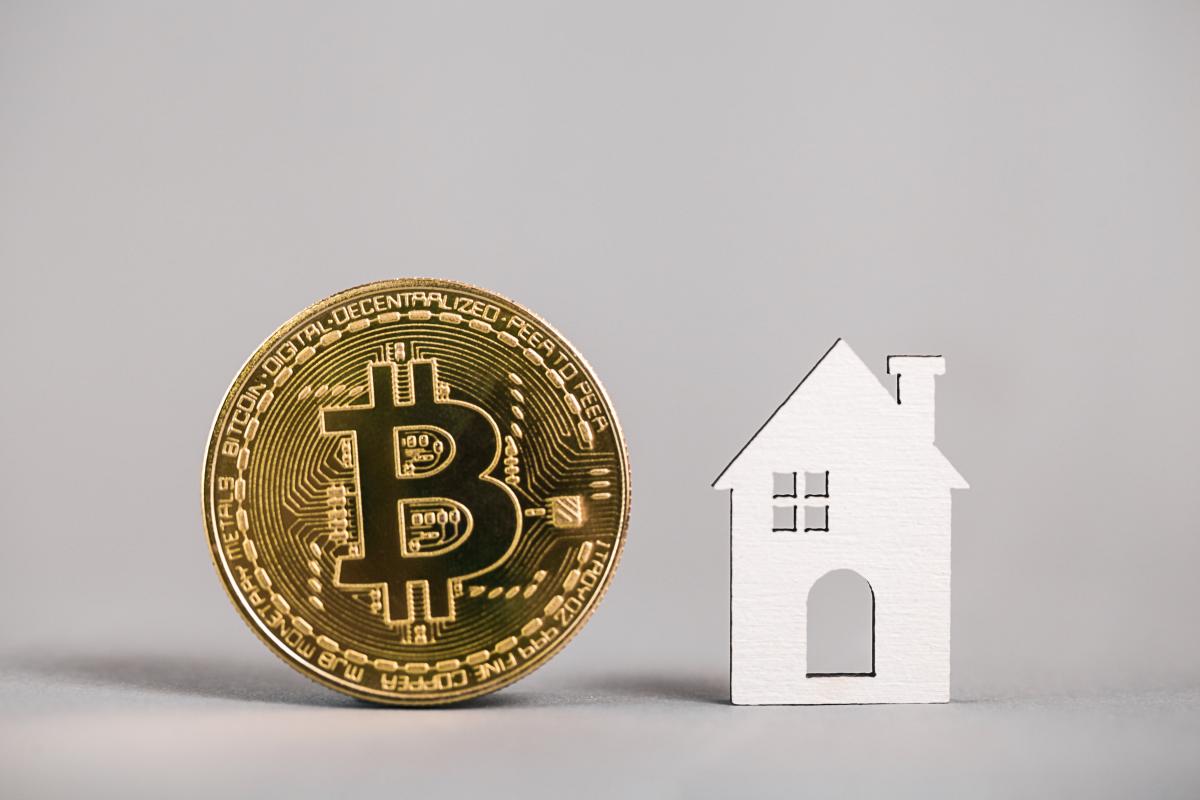
Asset tokenization is the process of taking a real-world asset (or a specific right related to an asset) and representing it as a digital token on a blockchain. The token is a digital representation that can be easily transferred and managed on electronic ledgers. However, the actual asset (like a building, or a share of a building) is still owned and governed through traditional legal instruments. Think of the token as a digital twin of a real asset’s ownership record.
- In practice, tokenization often involves setting up a legal entity or contract that holds the asset (for example, a Special Purpose Vehicle (SPV) company that owns a property). Instead of issuing paper shares in that SPV or a paper deed, the issuer creates digital tokens that represent the shares or ownership units. Each token might correspond to, say, one share in the SPV that owns a building. If the tokens are fungible (interchangeable and identical units like an ERC-20 token), each token might be one share out of 1000 shares of the asset. If the tokens are non-fungible (unique, one-of-a-kind tokens like ERC-721 NFTs), each token could represent a specific unique claim (for example, a particular condo unit or a specific loan contract).
- A helpful way to think about tokenization is that it creates a programmable ownership ledger. It’s like having a digital cap table (ownership table) or a registry that’s always up-to-date and can automatically check rules when ownership changes. For example, if by law only certain investors can hold an asset (perhaps only accredited investors, or only people from a certain region), the token’s smart contract can be programmed to only allow transfers if those conditions are met. This is often done by linking the token system to an identity registry or whitelist of approved investor wallet addresses.
- Important: Legal vs. digital. Tokenization does not mean the physical asset or legal ownership disappears into the blockchain. Instead, the blockchain token is a convenient representation. The real legal ownership is typically still documented by legal agreements. For example, if you tokenize real estate via an SPV, the SPV’s shareholder agreement or operating agreement will say that each token corresponds to one share/unit. The token itself is essentially a digital share certificate that you can hold in a crypto wallet rather than on paper. You still have to abide by the legal framework (contracts, property laws, securities laws, etc.) that apply to that asset.
- Don’t confuse terms: Note that “tokenization” in this context is about assets and blockchain. It’s unrelated to credit card tokenization (which is about securing payment data) or tokenization in natural language processing (breaking text into tokens). Here we specifically mean asset tokenization on blockchain.
Key Takeaways – What Tokenization Means:
- Tokenization = mapping real-world assets or rights into digital tokens that live on a blockchain, enabling easy transfer and programming of rules. The law still governs the actual rights, and the token is a technical tool to manage those rights more efficiently.
- Choose the right token format for your asset: if each token represents the same type of claim (e.g. shares in a company, each with equal rights), use fungible tokens. If each token is unique (e.g. each token is a claim to a different apartment or a different loan), use non-fungible tokens.
- Smart contracts (the programs controlling the tokens) can enforce rules automatically. For instance, you can build in compliance by only allowing transfers after certain checks (identity verification, holding periods, etc.), ensuring only eligible holders can own the token at any time.
1) Foundations: What Tokenization Means in Practice
Why are people excited about tokenizing real assets like real estate? The appeal comes from a combination of increased liquidity, broader access, and automation. Below we break down the key business benefits and some high-impact use cases:
- Fractional ownership and wider access: Tokenization allows large assets to be split into smaller pieces. For example, a $10 million building could be represented by 10,000 tokens, each token effectively representing a $1,000 stake. This fractional approach means more investors can participate with smaller amounts of money. It can widen the pool of investors, potentially including people who previously couldn’t afford to invest in such assets. For asset owners, this can be a way to raise capital from a broader audience without needing one big buyer.
- Potential for liquidity: Real estate and other real-world assets are typically illiquid – it’s hard to sell your share in a building on short notice. Tokenization aims to improve this by allowing tokenized shares to be traded more easily, possibly on secondary markets or trading platforms for security tokens. In an ideal scenario, an investor could sell their tokenized asset share on a regulated exchange or peer-to-peer, getting access to their money faster than selling traditional property shares. However, it’s important to note that for regulated assets the liquidity often requires regulated venues (you might not be able to just trade on any open crypto exchange; it might have to be an authorized platform like an ATS or MTF – essentially, regulated marketplaces for securities).
- Faster settlement and lower admin costs: By using blockchain, the transfer of ownership can be near-instant and recorded automatically. This could reduce the need for lengthy paperwork, intermediaries, or back-and-forth between lawyers for certain transactions. For example, when a token trade occurs, the ownership update is recorded on the ledger immediately and all parties share the same source of truth, potentially reducing reconciliation errors. Corporate actions like paying dividends, distributing rental income, or handling splits can be automated by smart contracts (programs that automatically execute steps when conditions are met). This can make operations like paying investors their share of rent faster and more transparent.
- Programmability and innovation: Tokens can have rules embedded. This means that compliance checks (ensuring only authorized investors hold the token), transfer restrictions (like lock-up periods during which tokens can’t be sold), and complex payout logic (like automatically sharing a percentage of revenue) can all be encoded. This level of automation and control is very hard to achieve with traditional paper-based ownership. It opens up possibilities for new financial products, like tokens that automatically redistribute income to holders, or tokens that represent time-bound rights (e.g., a token that gives you the right to use a property for a certain week each year).
- Integration with the digital asset ecosystem: Once assets are tokenized, they can potentially interact with a growing digital finance infrastructure – such as digital wallets, blockchain analytics tools, and even decentralized finance platforms (if allowed). For instance, a tokenized asset could be used as collateral for a loan on certain platforms, or could be traded 24/7 (if regulatory conditions allow) instead of only during market hours. Tokenization can thus bring traditional assets into a modern, API-driven environment where transactions and reporting are continuous and software-friendly.
Common Use Cases: Tokenization is being piloted or used in several scenarios across real estate and other assets. Below are a few examples of patterns that have emerged:
- Single-asset real estate tokens: A single property (like an office building or a hotel) is placed into an SPV and shares of that SPV are tokenized. Investors buy tokens and thus own a fraction of that specific asset. The tokens may later be traded on a regulated secondary market (for example, an Alternative Trading System in the US or a Multilateral Trading Facility in the EU, which are platforms for trading securities) if liquidity is desired. This model has been used in projects like the St. Regis Aspen resort tokenization (see case study below) where a portion of a hotel’s equity was sold as tokens.
- Tokenized real estate debt: Instead of equity, the debt side can be tokenized. For example, a property developer could issue a tokenized bond or promissory note secured by a property. Investors who buy these tokens are effectively lending money to the project and will receive interest (coupon payments) through the smart contract. The token’s programming can automate interest payments (coupons) on a schedule, and enforce priority rules (who gets paid first in case of issues) in a transparent way. This can apply to mortgages or real estate loans that are turned into tradable tokens.
- Tokenized funds or REIT shares: A fund that owns many assets (like a real estate fund or a money market fund) can issue tokenized shares. Instead of traditional paper shares or entries on a transfer agent’s database, investors get tokens representing their share of the fund. This can allow faster settlement when buying or selling fund shares and easier integration with investor’s digital wallets. An example beyond real estate is Franklin Templeton’s OnChain U.S. Government Money Fund (a government bond money market fund) which uses a token called BENJI to represent fund shares on blockchain.
- Commodity and asset-backed tokens: Real assets like commodities (e.g., gold) are also being tokenized. For instance, gold bars held in a vault can be represented by tokens, so that trading the token effectively trades ownership of some amount of physical gold. This has been done by major banks (e.g., HSBC’s tokenized gold for retail customers in Hong Kong) to allow easier purchase and sale of gold without moving physical bars around. Similar concepts are being applied to other commodities or even art and collectibles.
- Novel ownership models (e.g., timeshares or usage rights): Tokenization isn’t limited to simple equity or debt. In real estate, there are experiments with tokenizing specific usage rights. For example, an apartment building could issue NFTs where each token gives the holder the right to use an apartment for a certain number of days a year (a bit like a timeshare but implemented with tokens). These tokens could potentially be traded, allowing a secondary market in, say, vacation rights. While this is a niche idea, it shows how flexible tokenization can be in slicing asset rights.
Key Takeaways – Value and Uses:
- Liquidity and access: By fractionalizing assets, tokenization aims to provide liquidity (the ability to buy/sell more freely) and democratize access to investments that were previously only available to large players. In practice, for regulated assets, liquidity will depend on establishing or accessing compliant trading venues rather than open crypto exchanges, but the potential for improved liquidity is a major driver.
- Automation: Programmable tokens can automate many processes – from paying out income, to enforcing who can hold the token, to handling splits/mergers of assets. This can reduce administrative overhead and errors, as the blockchain becomes the system of record for transactions and ownership updates.
- Integration: Tokenized assets can connect with the broader digital asset ecosystem (wallets, exchanges, and even decentralized finance platforms). This could enable innovative use cases like using a tokenized building share as collateral for a loan that’s executed via smart contract, or instantaneous trading of assets that traditionally take days to settle.
- Use case breadth: While this course focuses on real estate, tokenization is also being applied to funds, bonds, commodities, and more. Each use case might have its own nuances (for example, tokenizing a fund share is different from a single property), but the core idea of creating a digital representation of value on a blockchain is the common thread.
Learn more about CAIA Association and how to become part of a professional network that is shaping the future of investing, by visiting https://caia.org/